

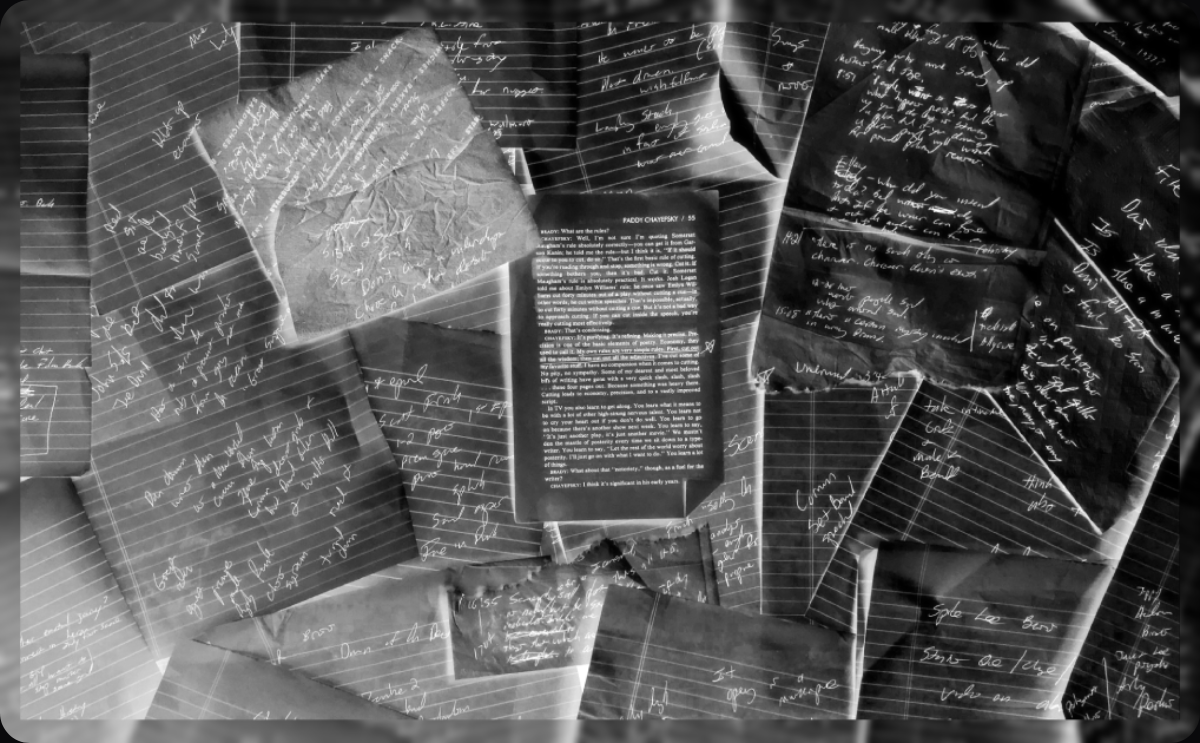
You open your laptop. The to-do list stares back. Seventeen items, each one a word or two: "Report." "Email." "That thing."You close the laptop. Twenty minutes later you're watching videos about the migratory habits of Arctic terns.
This is not weakness. This is not laziness. This is what happens when your brain is asked to act on information it cannot process — because the information is shapeless.
Vague tasks are cognitive quicksand. The more you push toward them, the more your nervous system resists. Procrastination is your brain's self-preservation response to ambiguity — and the fix has almost nothing to do with discipline.
Why your brain can't "just do it"
When a task is ambiguous, your prefrontal cortex — the part responsible for planning and executing — cannot form a clear action schema. Without an action schema, there is no motor sequence to initiate. The task exists, but it has no shape, no edge, no entry point.
The amygdala reads this unresolvable signal as a low-grade threat. Not a lion. More like a locked door in the dark. The anxiety isn't dramatic — it's just enough to steer you toward something with immediate, legible reward: a notification, a snack, a 47-second video.
This is why productivity hacks that rely on willpower fail. Willpower is a finite resource managed by the same prefrontal cortex that's already overloaded. You're fighting the wrong battle. The real problem is upstream: the shape of the thought itself.
“The key is not to prioritize what's on your schedule, but to schedule what's a priority — but first, your brain needs to see what is actually there.”
The visual graph shift
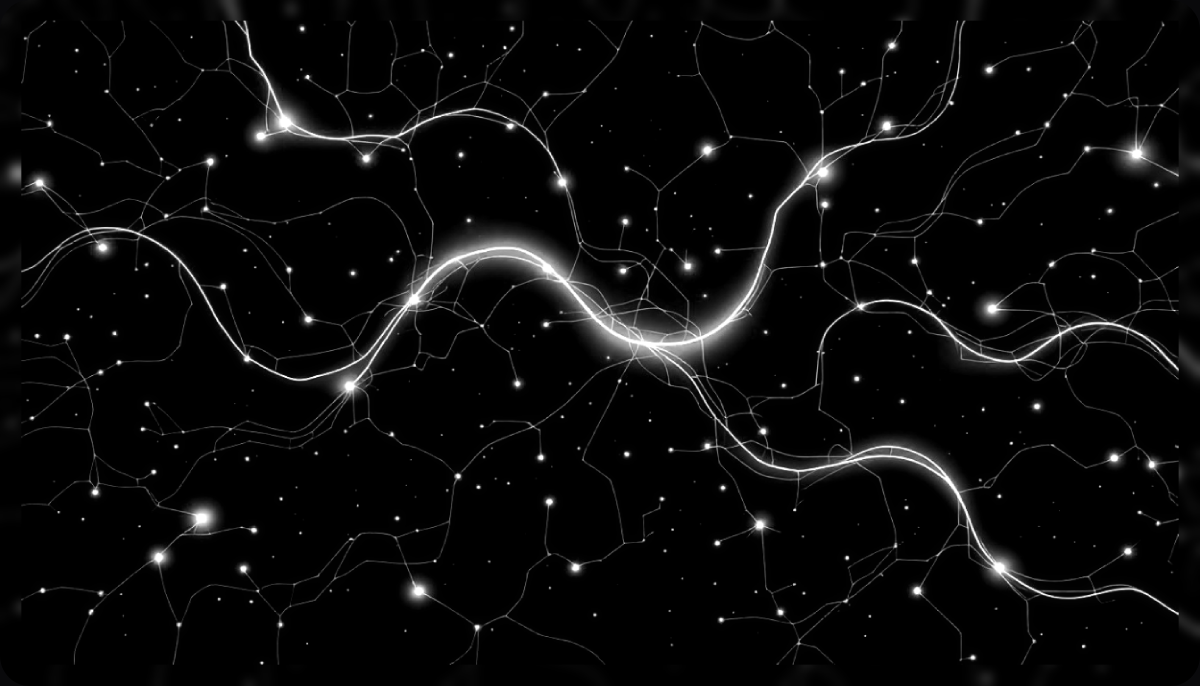
When you place a thought into a visual graph — a node with edges, a point in space connected to other points — something fundamental changes. The thought becomes an object. Objects have boundaries. Bounded things can be acted upon.
"Write the report" becomes a node. Connected to it: the audience node, the data-source node, the deadline node. Suddenly you can see what you actually need to do first. The anxiety collapses. What was a wall becomes a door.
More importantly, the graph reveals why you were procrastinating. Often the stuck task has an unresolved dependency — something you haven't decided yet, something you're waiting on, something you secretly know is the wrong priority. The graph shows the knot. You can untie it instead of pulling harder on the rope.
Your brain already thinks in graphs
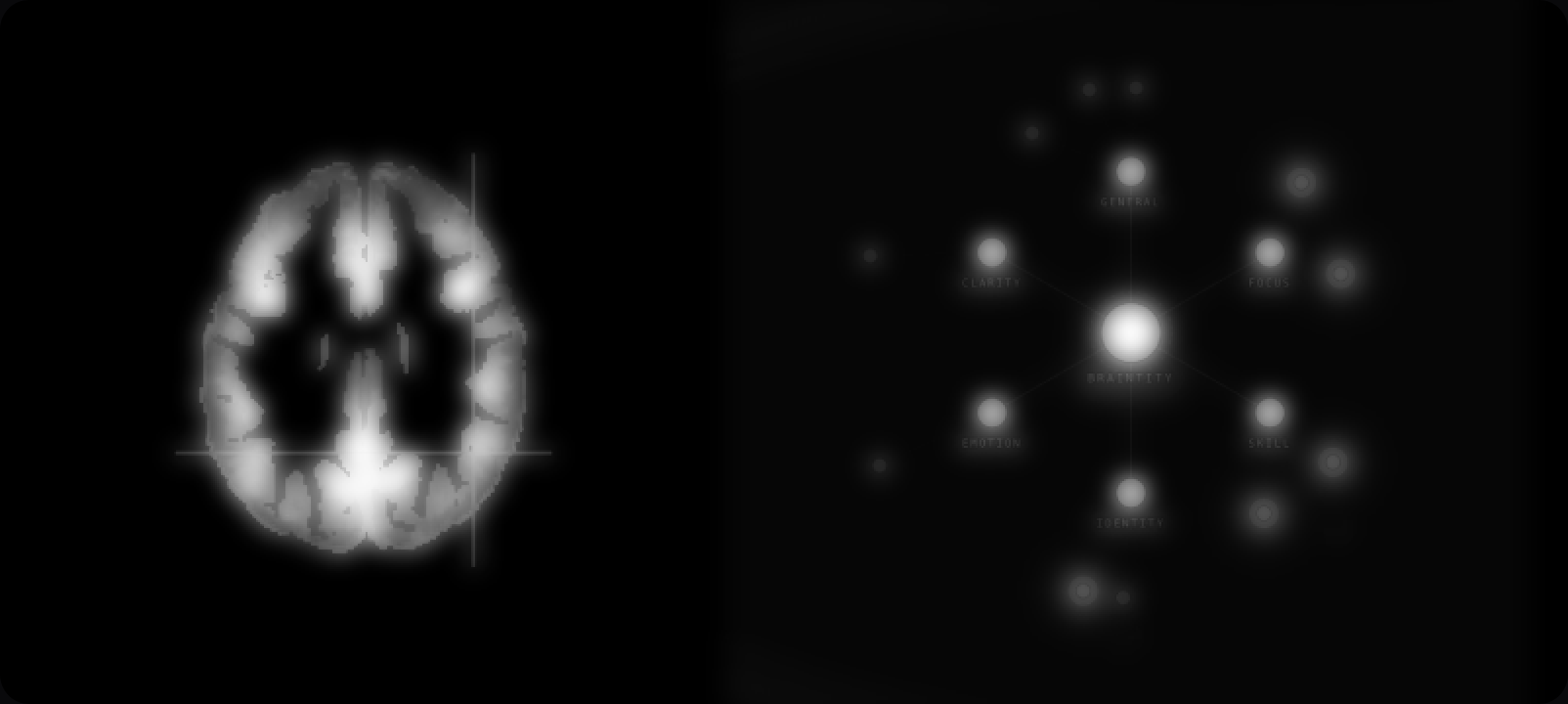
The hippocampus — the brain region most associated with memory formation — evolved primarily to handle spatial navigation. Its "place cells" fire in response to physical location. When you remember where you left your keys, you're using ancient spatial hardware.
Here's the twist: those same circuits activate when you process conceptual space. Abstract ideas positioned in a visual layout occupy spatial coordinates in your memory. They get their own address. That address is stable, retrievable, and — crucially — connectable to adjacent ideas.
When you map a thought onto a graph, you're not just organizing information — you're writing it into your spatial memory system, the oldest and most reliable indexing architecture your brain has. Retrieval is faster. Connections are visible. The thought doesn't evaporate when you close the app.
How to actually use this
Don't organize first. The instinct to clean up before you start is another form of procrastination wearing productivity clothing. Just dump. Every stuck task, every half-formed idea, every thing you've been avoiding — get it into nodes. Don't label them perfectly. Don't connect them yet.
Then step back. Look at the shape. The connections will suggest themselves — not because you forced them, but because your brain recognizes patterns it already knew but couldn't surface through language alone.
Make it a ritual before you start work. Five minutes with your graph. Not to plan — to see. The act of looking at your thoughts as objects, rather than experiencing them as weather, shifts the entire relationship between you and the work.
Clarity is not a reward — it's the mechanism
Procrastination is not a character flaw you need to fix. It's a symptom of cognitive fog — a nervous system trying to protect itself from an unresolvable signal. The fix is not to push harder. The fix is to make the signal resolvable.
Give your thoughts a shape. Give them spatial coordinates. Connect them to each other. Watch the fog lift.
Once you can see your thoughts as a graph, the question stops being "where do I even start?" and becomes "which node do I touch first?" And that question — for the first time — actually has an answer.